
Perrysburg Previous Residents by Era
Address-history research has more than one time layer. Wood County Recorder AVA is the electronic index for records from 1980 forward, while the Recorder's historical deed index is listed for 1821-1893 and its miscellaneous and lease indexes for 1821-1969. Way Public Library supplies local address and household leads, including House History Files, telephone directories, maps, newspapers, and obituaries. Federal census releases through 1950 supply a dated household snapshot. Use each layer for what it can actually show.
| Source | Years it covers | Where held | What it shows |
|---|---|---|---|
| Recorder AVA electronic index | 1980-present, with about a one-day indexing delay | Wood County Recorder AVA | Recent recorded-document index trail |
| Recorder deed-index books | 1821-1893 | Documents-On-Demand and Recorder | Older grantor, grantee, and deed-book navigation |
| Recorder miscellaneous and lease books | 1821-1969 | Documents-On-Demand and Recorder | Older non-deed and lease-index leads |
| Way newspaper index | Begins 1836 | Way Public Library | Notices, obituaries, and local address clues |
| Federal census | Public releases through 1950 | Federal sources and WCDPL HeritageQuest route | Household snapshot at a census date |
| Sanborn map resource | Ohio cities, 1882-1962; exact Perrysburg sheets unverified | Wood County District Public Library route | Building and street context |
For a recent transfer, start with the parcel and AVA. For an earlier address, first test the recorder's physical index books and Way Library sources. A census date or phone listing can support a household lead, but neither replaces a recorded title trail.
The Wood County Auditor gateway is shown in this Perrysburg address-history research image.
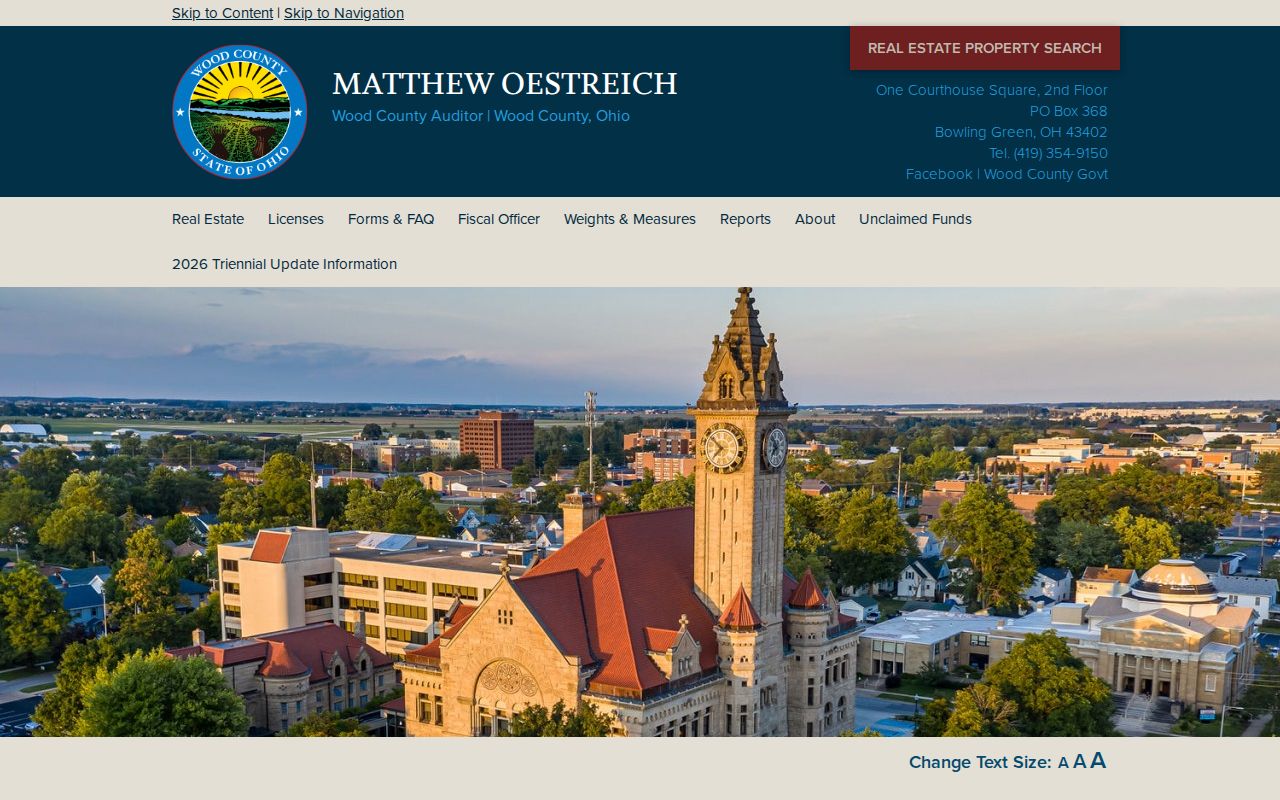
The Auditor is the current parcel starting point before a search shifts to the Recorder or historical collections.
Perrysburg Address Starts With Parcels
Before searching a surname, identify the current parcel and its legal identity. The Wood County Auditor directs specific-property research to its property search and maintains detailed appraisal records open for public inspection. The Wood County Engineer parcel service supplies a Parcels layer, map selection context, and query support. Carry the parcel identifier or legal description into the Recorder search. A street address alone can change, while a parcel or legal description supplies a firmer record link.
Wood County calls the physical address the location address. A mailing address, when one appears on an official card, is a correspondence clue rather than proof that a person lived at the property. Parcel geometry also describes land, not household membership. This first step keeps the address trail from jumping between similarly named parties or nearby lots.
Note: record the map date, parcel number, location address, and legal description before comparing any older document.
Trace Perrysburg Deed History
The deed chain is a recorded-title process. Use the current parcel identity to locate a recent transfer reference. In that document, the grantee is the party receiving the interest and the grantor is the party conveying it. The former conveying party becomes the lead for the prior acquisition. At every turn, compare the legal description and parcel continuity. Lot renumbering, subdivision changes, parcel splits, mergers, estates, and entity transactions can break an apparent chain.
- Use the Auditor or parcel map to record the current parcel identifier, location address, and legal description.
- Find the current transfer reference in the Recorder's AVA index when the date falls within its electronic coverage.
- Read the selected instrument for the parties and legal description, then locate the former party's earlier acquisition.
- Repeat the comparison backward, preserving the instrument number or book and page for each link.
- When the electronic trail reaches an earlier layer, move to Documents-On-Demand or the Recorder counter and use the proper index book.
- Grantor
- The party conveying an interest in the recorded document.
- Grantee
- The party receiving an interest in the recorded document.
- Chain of title
- The dated sequence of recorded transfers linked by the same property identity.
- Legal description
- The recorded lot, block, metes-and-bounds, or other property description used to test that the trail remains on the same property.
A break in legal-description or parcel continuity is a reason to pause and inspect the transfer, plat, or index-book reference before assigning the earlier party to the address.
Perrysburg Recorder Index Layers
Wood County's Recorder has three distinct routes, not one universal search. AVA supplies the public electronic index from 1980. Documents-On-Demand exposes physical book indexes. Laredo Anywhere is the route for document images through an office-arranged account. The mixed system is important when research crosses from a recent Perrysburg transfer into earlier deed books. A blank result in AVA does not prove that older recorded material does not exist.
The Recorder makes copies from a known instrument number or book and page. Its staff does not perform interpretive title research or decide which pages contain a legal description. Build the reference before asking for a copy. The office charges $2 per page for copies, so identifying the document first also avoids an unfocused request.
The Wood County Recorder Property Alert page is shown in this Perrysburg address-history research image.

The no-cost alert matches indexed documents to a participating owner's name criteria. It can flag later recording activity, but it does not decide whether a document is valid or replace document review.
Perrysburg House History Files
Way Public Library's House History Files are the local household layer for a Perrysburg address. Ask to consult the address file, relevant telephone-directory years, maps and atlases, the local newspaper index, and the obituary file. That request is more precise than asking for a complete list of everyone who lived at a house. Each source has a different date and purpose, and staff can help determine whether an older street wording appears in the collection.
The library's newspaper index begins in 1836. Its local holdings also include church and cemetery records, yearbooks, photographs, and digitized materials. These sources can connect a name, family event, or date to a place. The historical collections themselves are described in the Perrysburg Directory Book, where the limits of telephone-directory evidence are set out.
For a building-change question, Wood County Building Inspection and Perrysburg Planning and Zoning are other possible custodians. The county says construction documents and applications move through its contractor portal rather than email. A targeted request should identify the address, record type, and approximate date range.
Perrysburg Owners and Occupants
Recorded ownership and household presence are separate facts. A deed identifies parties to a recorded transaction. A telephone directory can identify the listed subscriber. A federal census can show a household on one census date. A House History File may gather address research created at different times. None of those should be silently converted into another type of evidence. A current owner may not be the person who lived there, and an old listing may not describe past residents at the address.
Use the document's own language. For property material, distinguish location address from any mailing address. For local history material, record the source title, page, date, and exact spelling. A trail becomes more reliable when every statement stays within the record's stated scope.
Perrysburg Households and Census
Household research works well when a dated local source is paired with the nearest released census. Start with a surname, street spelling, and year from a telephone directory or newspaper index. Then compare it with the census household at its own date. Keep address forms, initials, and source pages intact. An apparent absence can reflect a move, a spelling variant, a source limitation, or a date gap rather than one clear event.
- Copy the local telephone-directory or newspaper reference exactly, including the year, page, and street suffix.
- Check House History Files and map material for address continuity, earlier wording, or a changed structure.
- Find the nearest released census and treat it as a snapshot rather than proof of years before or after it.
- Use an obituary, church or cemetery record, or probate clue to test relationships and transition dates.
- Return to the Recorder chain when an ownership question remains, keeping it separate from the household record.
Wood County District Public Library provides a HeritageQuest route and is a FamilySearch affiliate library, which can assist with county and census context. BGSU's archival guide adds indexes to census, estates, marriages, naturalizations, and atlases when a local collection leaves a gap.
Perrysburg Map Context
Sanborn maps can explain the setting behind an old address, but they do not identify all people who lived there. Wood County District Public Library links a resource described as covering Ohio cities from 1882 to 1962. The research did not verify the specific Perrysburg sheet years. Check whether a sheet exists for the needed date before relying on it. A map may help separate a rebuilt structure, altered street alignment, or changed lot configuration from a change in household.
Perrysburg's development context also requires care. New plats and lot identifiers can change how a property is described. The city and Perrysburg Township are distinct entities, so a postal city line does not itself settle the jurisdiction. Parcel data, taxing district, municipal boundaries, and service records should do that work.
Perrysburg Record Endpoints
Obituaries and estate files can turn an address clue into a family-history lead. Way Library maintains a local obituary file and newspaper index. Wood County Probate records can identify estate activity, while BGSU lists indexes to wills, estates, guardianships, delayed births, and county marriages. A death notice may name survivors, but it is not a substitute for a deed chain or official probate file.
The Wood County Health Department is shown in this Perrysburg address-history research image.
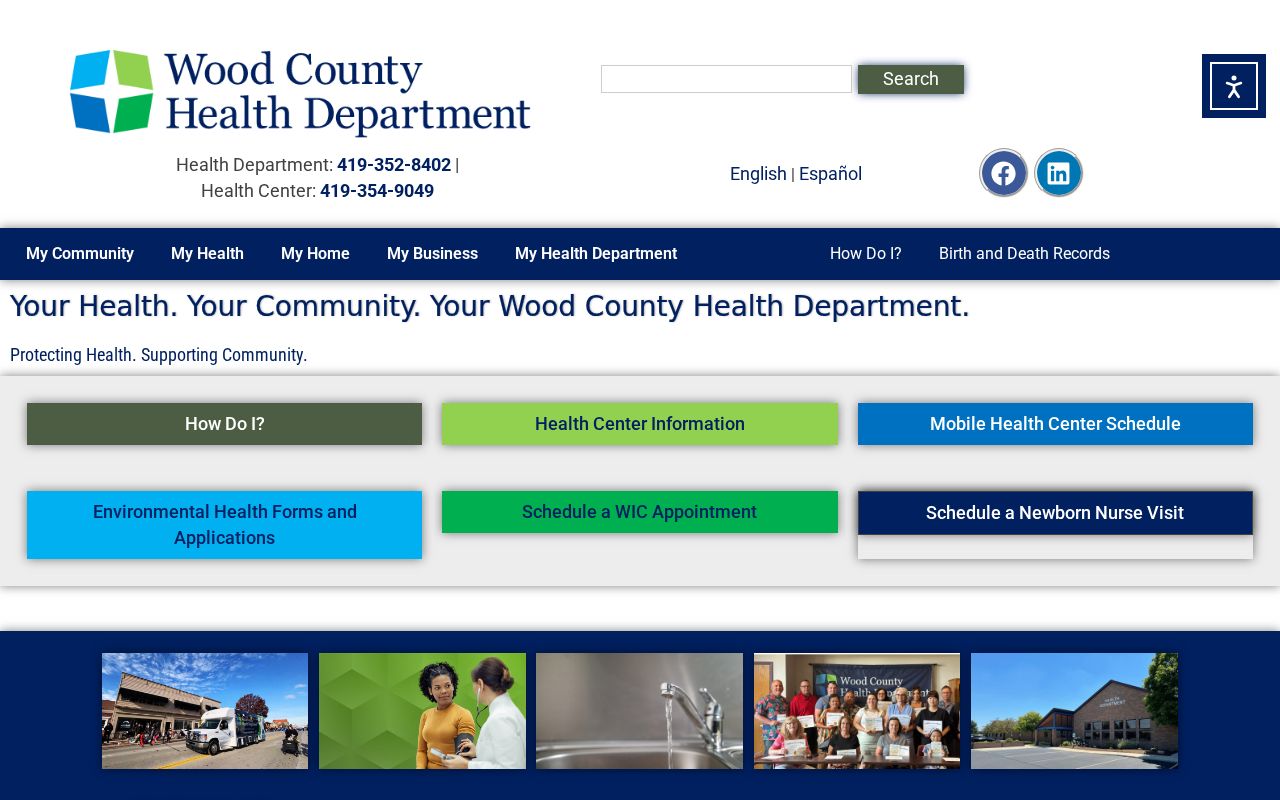
Wood County issues local birth and death certificates, while marriage licenses and probate files remain with Wood County Probate Court.
The Ohio vital-record copy law is shown in this Perrysburg address-history research image.
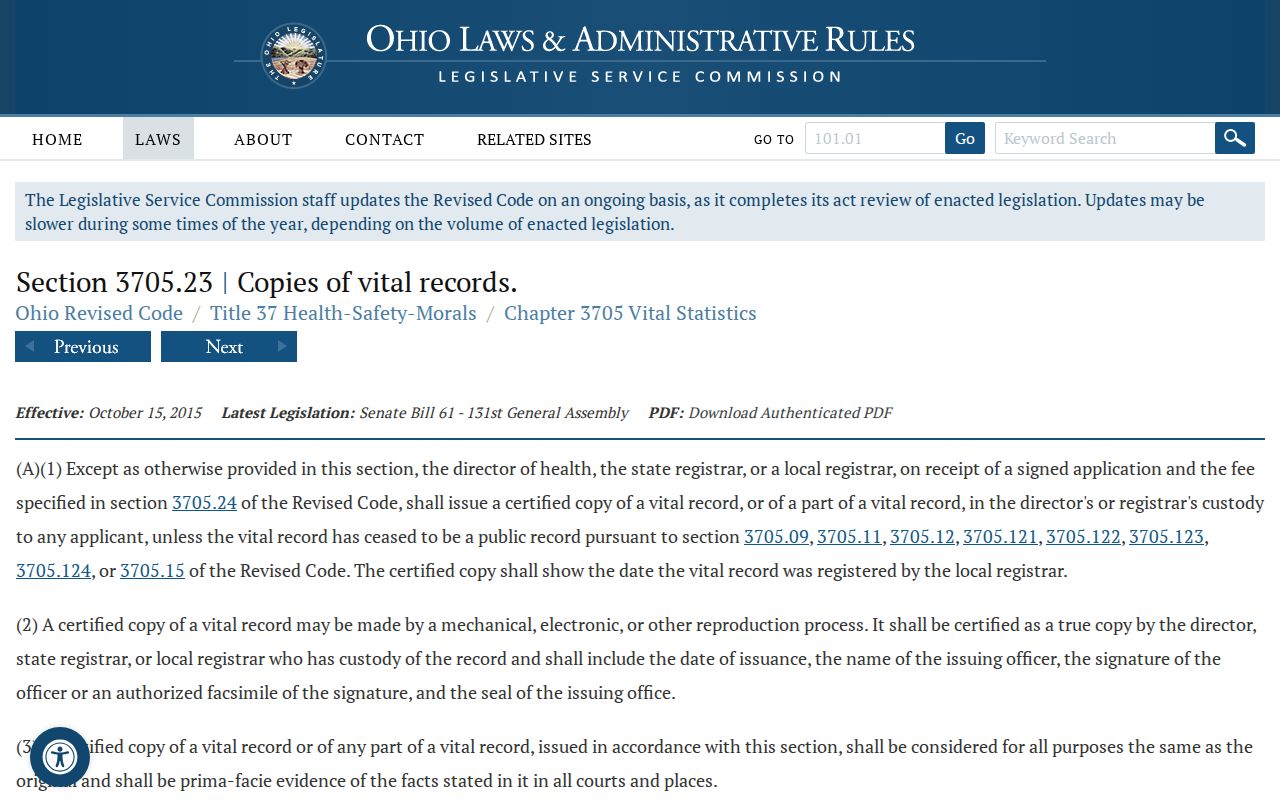
Ohio Revised Code 3705.23 addresses certified vital-record copies, while the applicable local office supplies its current application and process.
Perrysburg Records in Bowling Green
Perrysburg address history often leads to Bowling Green because it is the Wood County seat. County voters moved the seat from Perrysburg before construction of the present courthouse in the 1890s. That history explains why the Recorder, Auditor, Clerk, Probate, Building Inspection, and election offices are county-centered even when the person or property is in Perrysburg. Way Library remains the local historical counterpart.
Federal court records are a separate system from Wood County title and probate files. The federal judiciary's PACER access and pricing page is shown in this Perrysburg address-history research image.
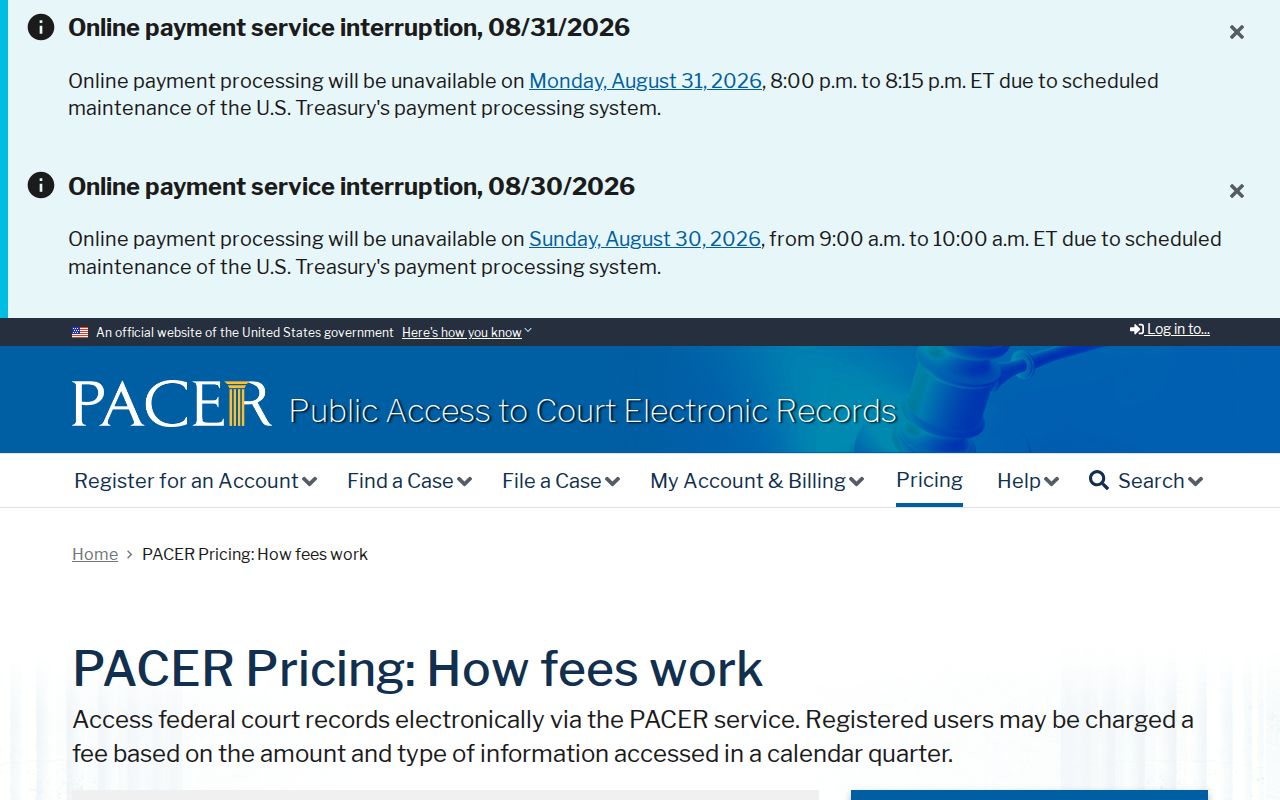
Use a federal docket only when a known federal matter is relevant; it does not replace the Wood County deed and local-history channels.
Lawful use. Use Perrysburg previous residents records for personal, historical, civic, or property research. Do not use address information to stalk, harass, threaten, or harm anyone; Ohio law prohibits menacing by stalking and telecommunications harassment.